Editorial
Agribusiness
4 articles

Why the best technology usually loses
Technical superiority is a weak criterion for predicting an invention's fate. What matters is who is already locked into the current standard, who loses income from the switch, which routines would have to be remade—and who bears the cost of the first step.

Why the Producer Sells Raw Material and the Consumer Buys Meaning
The gap between the price of a sack and the price of a cup is neither accident nor malice. It is the result of three machines operating simultaneously: one that sets commodity prices, another that distributes bargaining power throughout the chain, and a third that manufactures meaning — and only the last one has margin, because only it produces something that cannot be substituted.
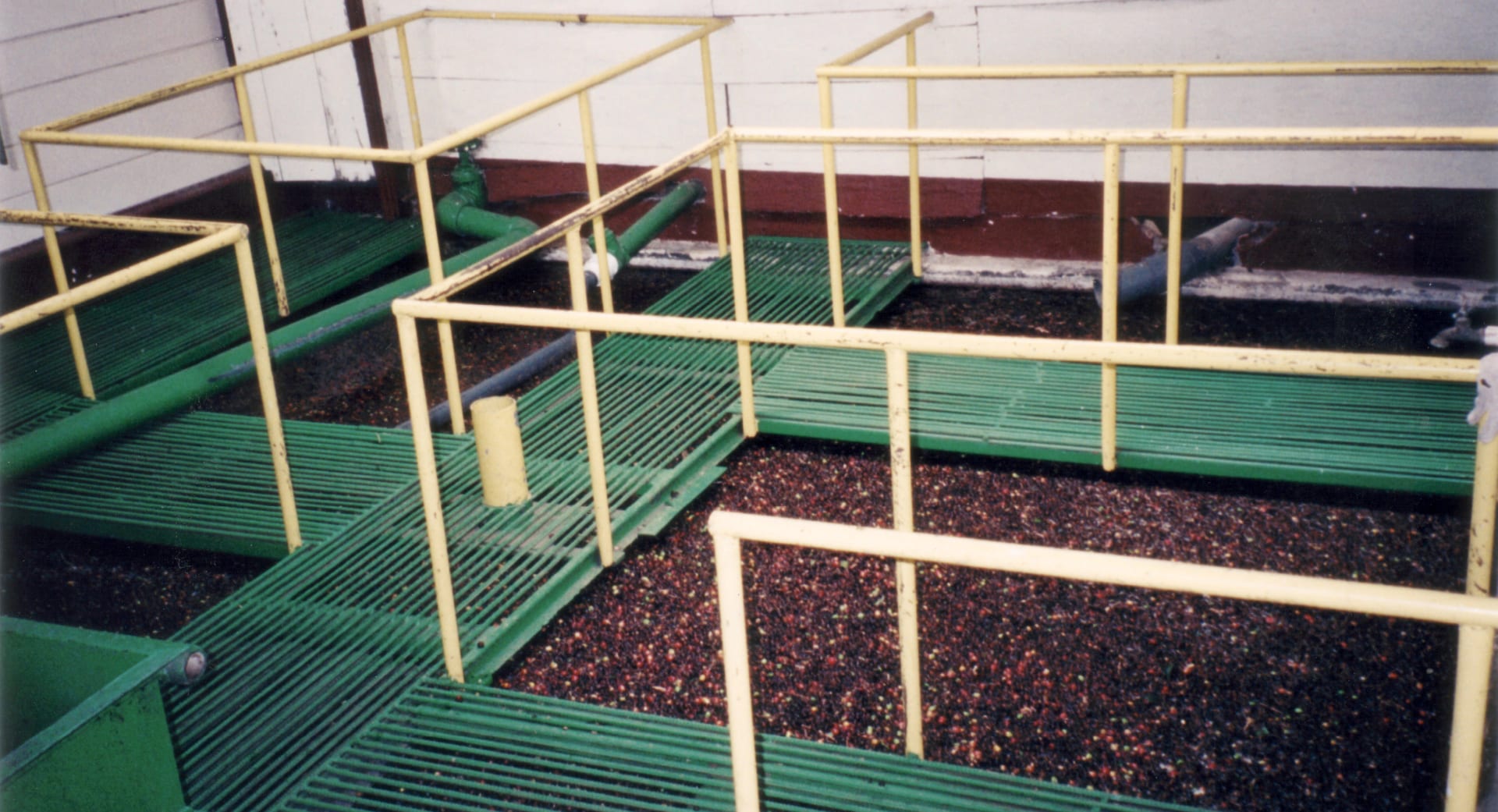
From Sack to Shelf: Who Captures Value When Raw Material Becomes a Brand
The grain is the same at both ends of the chain, the price is not. The difference is not explained by freight, tax, or retail margin: it compensates whoever controls the narrow link in the chain and whoever owns the meaning the product carries. Two distinct appropriations—and a practical question about how to escape being on the wrong side of it.

The cushion is back — and industry is no longer under it
In 2025 Brazil exported a record US$348.7 billion, with record volumes of iron ore, soybeans and oil all at once. In the same country, manufacturing accounts for less than 11% of GDP. An LSE thesis explained how the wealth of the soil financed Brazil's factories. This investigation asks what happened to the plumbing between the two.